7 Breathtaking Monsoon Train Journeys in India You Must Take in 2026
Discover the most stunning monsoon train routes in India for 2026. From Konkan Railway waterfalls to Nilgiri toy trains in the clouds — these rain-soaked rail journeys will leave you speechless.

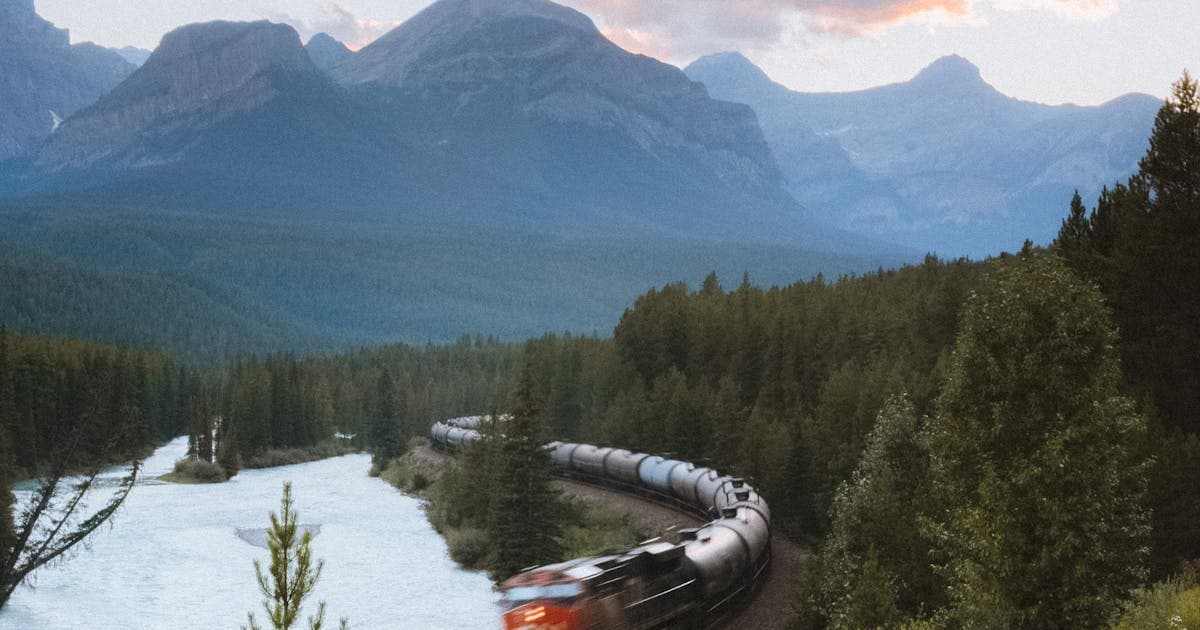
There is something magical about watching India transform during the monsoon from inside a train window. The parched brown landscape turns into an explosion of green, waterfalls appear from nowhere along the trackside, and clouds descend so low they seem to touch the coaches. If you have never taken a monsoon train journey in India, 2026 is the year to change that.
The Indian monsoon typically arrives in June across the southern coast and gradually covers the entire country by July. From June to September, certain train routes become so dramatically beautiful that they go viral on social media every single year. These are not ordinary commuter journeys — they are experiences that rival the most famous scenic railways in the world.
Here are the 7 most breathtaking monsoon train journeys you must take in 2026.
1. Konkan Railway — Mumbai to Goa (Madgaon)
The Route: Mumbai CST/LTT to Madgaon (Goa)
Distance: ~580 km | Duration: ~10 to 12 hours
Best Trains: Jan Shatabdi (12051), Mandovi Express (10103), Konkan Kanya (10111)
The Konkan Railway is India's most cinematic monsoon rail route — and it is not even close. Built through some of the most challenging terrain in the country, this line crosses 2,000 bridges, passes through 92 tunnels, and hugs the Western Ghats coastline where waterfalls cascade down cliff faces just metres from the tracks.
During monsoon, the experience is surreal. Clouds sit at window level as the train winds through dense green valleys. Every few minutes, a new waterfall appears — sometimes flowing directly over the tunnel entrance. The famous Dudhsagar Falls, one of India's tallest at 310 metres, is at its most dramatic during peak monsoon (July to August) and is visible from the train.
Pro tip: Book a window seat on the left side (facing the direction of travel from Mumbai) for the best waterfall and valley views. The stretch between Ratnagiri and Karmali is the most scenic.
Travel tip: Check live train status on ConfirmYatra before departure, as monsoon rains occasionally cause minor delays on this route.
2. Nilgiri Mountain Railway — Mettupalayam to Ooty
The Route: Mettupalayam to Udagamandalam (Ooty)
Distance: ~46 km | Duration: ~5 hours
Train: Nilgiri Mountain Railway (56136)
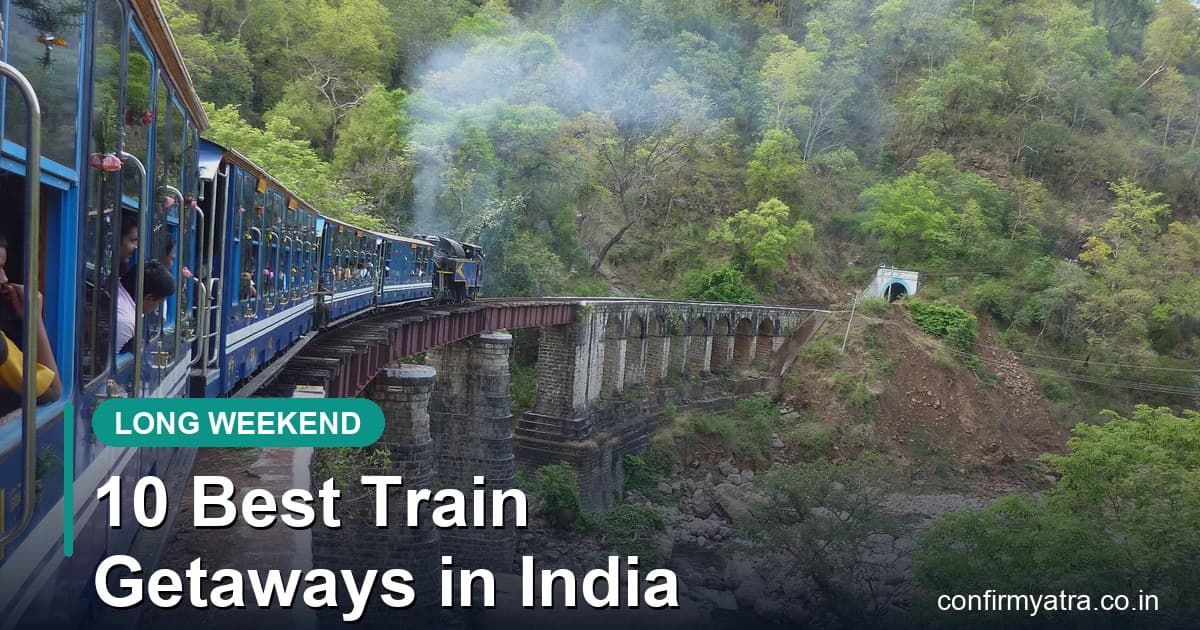
This UNESCO World Heritage toy train is among the last rack railways operating in the world. The narrow-gauge train climbs from the plains at 326 metres to the Nilgiri Hills at 2,203 metres, passing through 16 tunnels, over 250 bridges, and alongside tea plantations that stretch to the horizon.
During monsoon, the Nilgiri Hills disappear into clouds. The train literally climbs into the cloud layer — one moment you see lush green valleys below, and the next you are surrounded by mist so thick you cannot see 10 metres ahead. When the clouds briefly part, the views of rain-soaked tea estates and eucalyptus forests are unforgettable.
Pro tip: The first-class observation car at the rear offers the best views. Book early — this train sells out weeks in advance during monsoon season.
Getting there: Take the Nilgiri Express (12671) from Chennai to Mettupalayam (overnight), then connect to the toy train at 7:10 AM.
3. Kalka to Shimla — Heritage Hill Railway
The Route: Kalka to Shimla
Distance: ~96 km | Duration: ~5 to 6 hours
Train: Himalayan Queen (52455) or Shivalik Deluxe (52451)
Another UNESCO World Heritage railway, the Kalka-Shimla line was built by the British in 1903 and remains one of India's engineering marvels. The narrow-gauge track passes through 102 tunnels and over 864 bridges as it climbs from 656 metres to 2,076 metres.
The monsoon turns the Himalayan foothills into a paradise of green. Pine and deodar forests drip with rain, waterfalls line the track at multiple points, and the mountain valleys below are hidden under a blanket of cloud. The section between Barog and Solan is particularly stunning.
Pro tip: The Shivalik Deluxe Express is the premium option with glass windows and cushioned seats. Book through IRCTC at least 2 weeks ahead for monsoon season.
4. Mumbai Suburban — Churchgate to Virar (Western Line)
The Route: Churchgate/Mumbai CST to Virar/Kasara
Duration: ~1.5 hours
This might surprise you, but Mumbai's local trains during peak monsoon are an experience unlike anything else in the world. When the city receives heavy rainfall (100mm+ in a day), the landscapes along the Western and Central lines transform. The creek bridges at Vasai, the Ulhas River bridge near Kalyan, and the salt pans along Bhandup turn into surreal waterscapes.
Of course, this comes with the famous Mumbai monsoon chaos — waterlogged tracks, slow-running trains, and packed compartments. But for the adventure traveller, the energy of Mumbai's monsoon commute is unmatched.
Safety tip: Avoid travel during extremely heavy rainfall warnings (red alert). Check live train running status on ConfirmYatra for real-time delay updates on your specific train.
5. Araku Valley Line — Visakhapatnam to Araku
The Route: Visakhapatnam to Araku
Distance: ~128 km | Duration: ~5 hours
Train: Kirandul Passenger (58501)
Hidden in Andhra Pradesh's Eastern Ghats, the Araku Valley train route is one of India's best-kept scenic secrets. The train passes through 58 tunnels and over 84 bridges as it climbs through tribal forests to the Araku plateau at 900 metres.
During monsoon, the Eastern Ghats turn an intense shade of green. Waterfalls appear at nearly every tunnel exit, and the Borra Caves region — with its limestone formations — looks mystical in the monsoon mist. The tribal villages along the route add a cultural dimension to the journey.
Pro tip: Sit on the right side for the best valley views. The train halts briefly at Borra Caves station — you can glimpse the cave entrance from the platform.
6. Darjeeling Himalayan Railway — Toy Train
The Route: New Jalpaiguri (NJP) to Darjeeling
Distance: ~88 km | Duration: ~7 to 8 hours
Train: Darjeeling Mail Toy Train (52588)
The "Toy Train" to Darjeeling has been a UNESCO World Heritage site since 1999. This narrow-gauge marvel uses a series of loops and zigzags (reverses) to climb from 100 metres to 2,200 metres. The famous Batasia Loop offers a 360-degree panoramic view of the town and surrounding hills.
In monsoon, Darjeeling is wrapped in clouds and the tea gardens turn an impossibly vivid green. The train's journey through mist-covered hills, past colonial-era stations, and through the heart of Darjeeling town is an experience that has remained unchanged for over a century.
Pro tip: The Joy Ride (short tourist run from Darjeeling to Ghum and back) runs even during monsoon and covers the most scenic section including Batasia Loop.
7. Pamban Bridge — Mandapam to Rameswaram
The Route: Mandapam to Rameswaram
Distance: ~2 km bridge crossing | Train: Any train to Rameswaram
Best Trains: Rameswaram Express (16101)
The Pamban Bridge is India's first sea bridge and the only rail connection to Rameswaram island. The train crosses the Palk Strait with the Indian Ocean on both sides — during monsoon, the sea is rough, waves crash against the bridge pillars, and the experience of riding a train over open sea in a storm is thrilling.
The new Pamban Bridge (completed 2025) is the country's first vertical-lift sea bridge for railways. The monsoon crossing, with grey skies and churning waters beneath, is India's most dramatic 2-minute train experience.
Pro tip: The bridge crossing happens slowly (train speed is restricted). Have your camera ready — the open-sea views last only about 2 minutes.
Essential Monsoon Train Travel Tips
Packing Essentials
- Waterproof bag for electronics and documents
- Zip-lock bags for phone and wallet (rain can enter through train windows)
- Quick-dry towel and extra clothes
- Insect repellent — monsoon means mosquitoes
- Power bank — charging points on trains can be unreliable
Safety Precautions
- Avoid sitting near open doors, especially on hilly routes
- Hold railings when walking between coaches (floors get slippery)
- Check weather alerts before travel — Indian Railways may cancel or divert trains during extremely heavy rain
- Carry dry snacks — pantry car service can be interrupted during heavy rain
Booking Tips for Monsoon Season
- Book 2 to 3 weeks early — scenic routes fill up fast in monsoon
- Use ConfirmYatra to check seat availability and compare trains
- Prefer confirmed tickets over RAC or waitlist — monsoon cancellations are unpredictable
- If your preferred train is full, check alternate routes on ConfirmYatra
When to Go
The Indian monsoon season runs from June to September:
- June — Monsoon hits the western coast (best for Konkan Railway)
- July to August — Peak monsoon across all regions (best for waterfalls and lush green)
- September — Late monsoon with clearer skies between showers (best for Nilgiri and Darjeeling)
Each of these journeys costs less than Rs 1,000 in sleeper class and under Rs 2,500 in AC — making them some of the most affordable scenic experiences in the world. Check train fares, availability, and live running status on ConfirmYatra to plan your perfect monsoon rail adventure.
Plan your journey with ConfirmYatra
Free real-time tools for Indian Railways travellers.