First Time Train Travel in India? Here's Everything You Need to Know
A complete beginner's guide for first-time train travellers in India. Covers booking, packing, platform navigation, coach position, safety tips, and what to expect during an Indian railway journey.

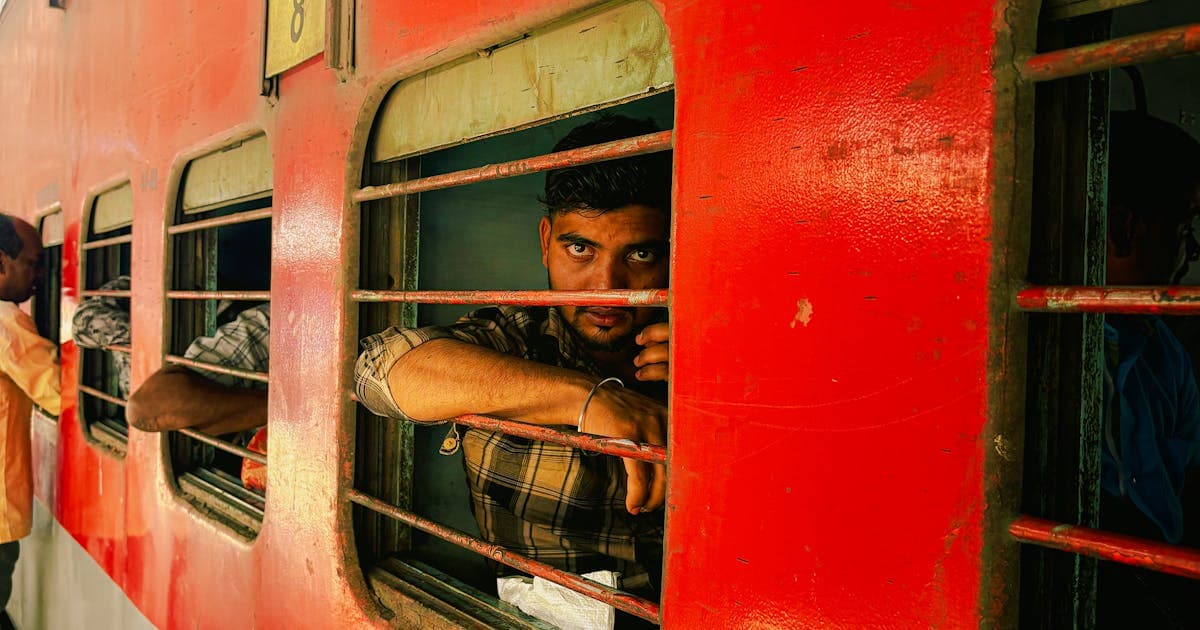
Your first train journey in India is going to be memorable — in the best way possible. There is nothing quite like watching the landscape change through a train window as you cross this massive, diverse country. But if you have never done it before, the Indian Railways system can feel a bit overwhelming. Millions of trains, confusing quota types, unfamiliar station announcements, and that nagging question: "Will my ticket actually get confirmed?"
Take a breath. This guide covers every single thing you need to know, from buying your first ticket to stepping off at your destination.
Booking Your First Train Ticket
Where to Book
The official platform is IRCTC (Indian Railway Catering and Tourism Corporation) at irctc.co.in. You will need to create a free account with your Aadhaar or another valid ID. The IRCTC Rail Connect mobile app works well too.
Before booking, search for trains between your stations on ConfirmYatra at confirmyatra.co.in. This helps you compare all available trains, see departure and arrival times, check seat availability across different classes, and understand which train suits your schedule.
Choosing the Right Class
Indian trains offer multiple travel classes. Here is a quick breakdown for first-timers:
AC First Class (1A) — The most expensive. Private 2 or 4 berth cabins with a locking door. Great for privacy and families with small children.
AC 2 Tier (2A) — Open bays with curtains. Only lower and upper berths — no middle berth. Comfortable and quieter than 3AC.
AC 3 Tier (3A) — The most popular AC class. Three berths stacked in each bay (lower, middle, upper) plus side berths. Good balance of comfort and cost.
Sleeper Class (SL) — Same layout as 3AC but without air conditioning. Windows are open (with bars). The most affordable option for overnight travel. Can get crowded.
AC Chair Car (CC) — Reclining seats like a bus, only on day trains like Shatabdi and Vande Bharat. No berths.
Second Sitting (2S) — Basic reserved seating for short journeys. No berths, no AC.
For a first-timer on an overnight journey, I would suggest AC 3 Tier. It is comfortable, reasonably priced, and gives you the full Indian train experience without being too overwhelming.
General vs Tatkal vs Premium Tatkal
General quota — Opens 120 days before departure. Book as early as possible for the best availability.
Tatkal — Opens one day before departure. Higher fare, intense competition. Only use this if you forgot to book in advance.
Premium Tatkal — Dynamic pricing. Even more expensive but sometimes the only option left.
For your first trip, book in general quota well in advance. No stress, no rush.
What to Pack for a Train Journey
Packing for a train trip is different from packing for a flight. Here is what experienced travellers always carry:
- A good lock and chain — For securing your luggage to the chain hooks under the berths. This is standard practice and prevents theft during night stops.
- Bedsheet and a light blanket — Railways provide bedding in AC classes but carrying your own thin sheet adds comfort. In Sleeper class, you need your own bedding.
- Water bottles — Carry at least 2 litres. You can buy more at stations, but having your own supply is wise.
- Snacks — Namkeen, biscuits, fruits, dry fruits. Station food is hit-or-miss, and you will get hungry between meals.
- Phone charger and power bank — Charging points exist in every coach but may not work at every berth. A power bank is essential.
- Toilet paper or tissues — Train toilets rarely have toilet paper. Carry your own.
- Entertainment — A book, downloaded movies or music, a deck of cards. Long journeys need entertainment, and network coverage can be patchy in rural stretches.
- Medicines — Motion sickness tablets, any regular medication, and basic first aid.
- Slippers — Comfortable footwear you can slip on and off easily for walking to the toilet.
At the Station — Finding Your Train and Coach
Check the Coach Position
Before reaching the station, check your coach position on ConfirmYatra. Enter your train number and station to see the coach layout — whether your coach is at the front, middle, or rear of the train. This tells you where to stand on the platform so the train door stops right in front of you. No more running with luggage.
Reading the Platform Display
Most stations have electronic display boards showing train number, name, platform number, and expected arrival time. If the display is confusing, just ask any railway staff — they are used to helping passengers.
The Reservation Chart
About 4 hours before departure, a paper reservation chart is pasted on the platform and near each coach door. It lists passenger names, PNR numbers, berth assignments, and boarding status. Find your name on the chart to confirm your berth. You can also check this digitally on ConfirmYatra.
Boarding and Settling In
When the train arrives, find your coach (the coach number is displayed on the outside of each car). Show your ticket or e-ticket to the coach attendant at the door if asked. Find your berth number inside — they are clearly marked on the berth itself and on the compartment walls.
Stow your heavy luggage under the lower berth and lock it with your chain. Keep a small bag with essentials (phone, wallet, water, snacks) with you on the berth.
If you have an upper or middle berth, note that the lower berth converts to a seating area during the day. Upper and middle berth passengers can sit on the lower berth until 10 PM, after which everyone sleeps on their assigned berths.
During the Journey
Food Options
You have several choices. The pantry car (if available) sends staff through each coach to take orders. Station vendors sell snacks, chai, and meals at most stops. And as we covered in our E-Catering guide, you can order restaurant food delivered to your seat via IRCTC E-Catering.
For a first trip, try the pantry food for at least one meal — it is part of the experience. But also carry backup snacks in case the food is not to your taste.
The Chai Experience
At almost every station, you will hear vendors calling out "chai chai chai" in their distinctive sing-song voice. Station chai, served in small clay cups (kulhad) or plastic cups, is a beloved part of Indian train travel. It costs Rs 10 to Rs 15 and tastes surprisingly good. Do try it at least once.
Using the Toilets
Train toilets have improved significantly over the years. Newer coaches have bio-toilets that are cleaner and odour-free. Still, carry your own tissue paper and hand sanitizer. Avoid using the toilet when the train is at a station — older trains (non-bio toilets) discharge directly onto the tracks.
The TTE (Ticket Checking Staff)
Sometime during the journey, a Ticket Travel Examiner (TTE) will come to check tickets. Keep your e-ticket on your phone (screenshot it in case of network issues) and a valid photo ID (Aadhaar, passport, driving licence, or voter ID). The TTE marks your chart and moves on. It is a quick process.
Safety Tips for First-Time Travellers
Keep valuables close. Phone, wallet, and important documents should always be with you, not in your stowed luggage.
Lock your bags. Use the chain hooks under berths. This is standard practice, not paranoia.
Do not accept food from strangers. This is a well-known safety precaution in India. Politely decline food or drink offered by co-passengers you do not know.
Know the emergency numbers. Railway police helpline is 182. Women's helpline is 1091. General emergency is 112. You can also pull the chain in case of a genuine emergency — but misuse carries a heavy fine.
Stay aware at night stops. Trains often stop at stations during early morning hours. Keep your belongings secure when you are asleep.
Share your PNR with family. Give your PNR number to a family member so they can track your train's live status on ConfirmYatra and know your approximate location during the journey.
Common First-Timer Worries (and Why They Are Fine)
"What if my waitlist ticket does not get confirmed?" — Check your PNR on ConfirmYatra. If it shows a good confirmation probability, relax. If not, book an alternate train early.
"What if I miss my stop?" — Set alarms for 30 minutes and 15 minutes before your destination. Ask co-passengers or the TTE to alert you. Use ConfirmYatra's live tracking to see exactly where you are on the route.
"Is it safe to sleep on the train?" — Yes, millions of people do it every night across India. Take basic precautions — lock luggage, keep valuables close, be alert at station stops — and you will be fine.
"What if I cannot find my platform?" — Station staff, other passengers, and the enquiry counter are all there to help. Indians are generally very helpful to fellow travellers, especially if you are visibly new to the experience.
After You Arrive
When the train approaches your destination, the display board and announcements will alert you. Start packing 10 to 15 minutes before arrival. Unlock your luggage, double-check your berth for any belongings, and move towards the door a couple of minutes before the train stops.
At the destination station, follow the "Way Out" or "Exit" signs. If someone is picking you up, share your live train status from ConfirmYatra so they know your exact arrival time, especially if the train is delayed.
Your First Trip Checklist
- Ticket booked and PNR saved
- Coach position checked on ConfirmYatra
- Lock and chain packed
- Water, snacks, and tissues in bag
- Phone charger and power bank charged
- PNR shared with family
- Comfortable clothes for the journey
- A sense of adventure
Indian train travel is noisy, colourful, surprising, and deeply human. Your first trip might feel like a lot, but by your second journey you will already be a pro. Start by searching your route on ConfirmYatra, pick a train, book your ticket, and go. The rails are waiting.
Plan your journey with ConfirmYatra
Free real-time tools for Indian Railways travellers.